Timeless Elegance: A Vintage Wedding Design Set
There’s a certain magic to vintage aesthetics that modern designs sometimes struggle to capture. It’s the warmth of aged paper, the intricate flourish of a bygone era, and the romance of handcrafted details. For designers, entrepreneurs, and creatives, tapping into this nostalgic appeal can instantly elevate a project, giving it depth, character, and an emotional resonance that feels both authentic and sophisticated. This is precisely where a comprehensive set of decorative vintage wedding elements becomes an indispensable asset in your toolkit.
More Than Just Graphics: A Cohesive Design Language
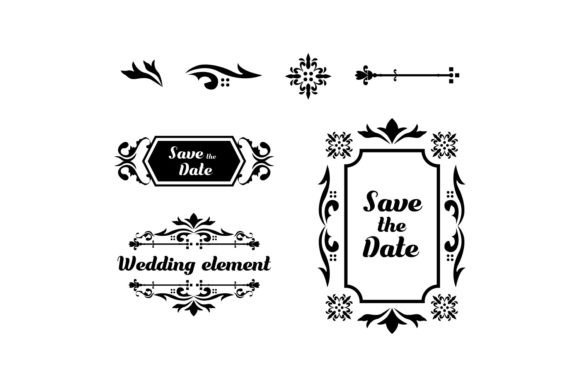
What you’re looking at is not merely a collection of isolated images. A true Set of Decorative Vintage Wedding Set functions as a unified visual language. It typically includes coordinated motifs—think delicate floral borders, ornate frames, classic typography, and subtle texture overlays—all designed to work together seamlessly. The consistency in style, line weight, and color palette across these assets is what allows you to build a complete, harmonious brand identity or project without the elements feeling disjointed or hastily assembled.
This cohesion is critical for professional presentation. Imagine crafting a wedding invitation suite where the monogram, the corner flourishes, and the decorative dividers all share the same vintage DNA. The result feels intentional and curated, immediately signaling quality to the viewer. This principle extends far beyond weddings; it’s fundamental to strong visual branding in any field.
Practical Applications: From Screen to Print and Beyond
The true value of a premium design asset pack lies in its versatility. Let’s break down where these vintage elements can be practically applied, solving real design challenges for a variety of creators.
- Branding & Logo Design: For boutique businesses, artisanal brands, or any service aiming to convey heritage and craftsmanship, these motifs can form the cornerstone of a logo or a full brand identity. A vintage frame can house a monogram, while ornate borders can enhance letterheads and business cards.
- Packaging & Merchandise: Product labels, gift boxes, and tags gain a tactile, premium feel with vintage illustrations. They’re perfect for cosmetic brands, gourmet foods, candles, or stationery lines where the unboxing experience is part of the brand story.
- Digital Presence & Marketing: Website headers, blog post graphics, and social media visuals instantly become more engaging. Use a decorative element as a background for a quote graphic on Instagram, or frame a testimonial on your website. The vector files (like Ai, Eps, Svg) ensure these elements scale perfectly for any digital application without losing clarity.
- Print & Editorial: This is where vintage design truly shines. Think magazine layouts, book covers, event posters, and of course, all forms of wedding stationery—from save-the-dates to thank you cards. The provided Jpg and Png files with transparent backgrounds offer ready-to-use convenience for quick mockups and print projects.
Choosing and Pairing for Maximum Impact
Having the assets is one thing; using them effectively is another. The key is intentionality. Start by considering the mood of your project. Is it rustic and warm, or elegant and formal? This will guide which elements you select from the set. A heavily detailed floral motif might overwhelm a minimalist design, while a simple, elegant border could be the perfect subtle touch.
Pairing these decorative elements with the right typeface is crucial. They often complement serif fonts beautifully, as the traditional letterforms share a similar historical context. However, a clean, modern sans-serif font can create a striking contrast that feels fresh and contemporary, making the vintage elements pop rather than feeling dated. Always test your combinations. Place your chosen decorative frame around a headline in different font pairings to see what creates the best balance of readability and visual interest.
Leveraging File Formats for a Smooth Workflow
Understanding the included file formats—Ai, Eps, Png, Jpg, Svg—empowers you to work efficiently across different software and for different end uses. Here’s a quick, practical guide:
- Ai & Eps (Vector): These are your master files for editing. They are scalable to any size without pixelation, making them ideal for large-format printing (like banners) or for modifying the elements themselves in Adobe Illustrator. You can change colors, remove parts, or combine them with other vector graphics.
- Svg (Vector): The web-friendly vector format. Perfect for high-quality graphics on websites and digital applications where you need crisp lines at any resolution.
- Png (Raster): These files usually come with transparent backgrounds, making them incredibly easy to layer over photos, textures, or other backgrounds in programs like Canva, Photoshop, or even PowerPoint. They are the go-to for quick social media graphics and digital composites.
- Jpg (Raster): Best for use as standalone images or backgrounds where a transparent background isn’t needed. They are widely compatible and often have smaller file sizes.
A Final Thought on Authenticity and Licensing
When incorporating any design asset into a commercial project, always double-check the licensing terms. A reputable set will clearly state that it is a commercial font and design asset, allowing you to use the elements in products you sell, client work, and marketing materials without legal concern. This peace of mind is part of what makes investing in a quality, premium resource worthwhile.
Ultimately, a well-curated set of decorative vintage elements is about more than just decoration. It’s about storytelling. It provides a shorthand for a certain kind of beauty, craftsmanship, and timeless appeal. Whether you’re building a brand from the ground up, adding a special touch to a client’s project, or creating a personal keepsake, these assets offer a reliable foundation for designs that feel both meaningful and professionally polished. The goal isn’t to simply use old-looking graphics, but to harness their inherent charm to communicate something genuine and beautiful to your audience.