Vintage Romantic Frames: The Elegant Detail Your Design is Missing
There’s a certain feeling that washes over you when you see an invitation with a delicate, ornate border. It’s a sense of history, of romance, of something crafted with care and intention. In a world saturated with slick, minimalist digital aesthetics, the timeless beauty of a vintage-style frame offers a powerful way to connect with an audience on an emotional level. It’s not just a decorative element; it’s a storyteller, whispering tales of elegance and sophistication that can transform a simple design into a cherished keepsake.
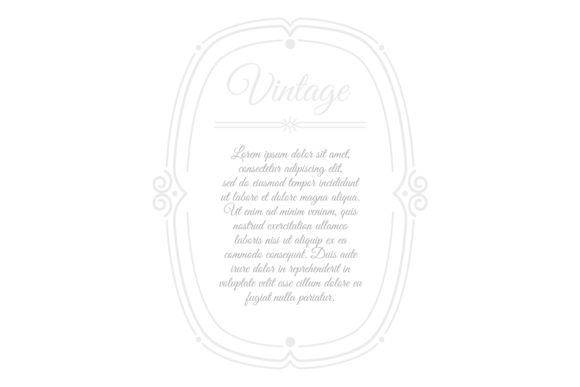
This is the essence of the "Vintage Elegant Frame" aesthetic. Often found as a collection of high-quality design assets—like the popular wedding romantic white border illustrations available in formats like EPS and JPG—these frames provide an instant infusion of character. They are typically isolated on a white background, making them incredibly versatile for layering over photos, text, or colored backgrounds. But their true power lies not just in their beauty, but in their practical application for anyone looking to build a memorable brand or create stunning visual content.
The Anatomy of a Timeless Aesthetic
What makes a vintage elegant frame so visually compelling? It’s a blend of specific characteristics that work in harmony. You’ll often see intricate flourishes, soft, sweeping curves, and a sense of balanced asymmetry that feels both organic and intentional. The line work is rarely stark or uniform; instead, it mimics the subtle imperfections of hand-drawn artistry or the gentle wear of aged paper. This style pairs beautifully with a range of other design elements, particularly script fonts and classic serif fonts, which share its sense of grace and readability.
This particular style—the romantic, white-on-white border—is a masterclass in subtlety. By using a white frame on a white background, the design becomes about form and texture rather than bold color. It creates a soft, ethereal, and luxurious feel that is perfect for wedding-related projects. Think of it as the visual equivalent of a lace veil or the embossed details on fine stationery. It adds depth and sophistication without overwhelming the core message.
From Wedding Invitations to Brand Identities: Where to Use These Frames
While the name suggests a singular purpose, the applications for a high-quality vintage frame are surprisingly diverse. Its ability to evoke trust, elegance, and a human touch makes it a valuable design asset for a wide range of projects. For designers, small business owners, and content creators, understanding where to deploy this style can significantly elevate the final product.
Consider these practical uses:
- Branding and Logo Design: For businesses in the wedding industry, floral design, high-end boutiques, artisanal goods, or luxury services, incorporating a vintage frame into a logo or brand mark instantly communicates a premium, detail-oriented identity.
- Packaging Design: Imagine a handcrafted soap or a gourmet chocolate box with a delicate, embossed frame on the label. It transforms a simple product into a gift-worthy item, enhancing its perceived value.
- Invitations and Stationery: This is the most natural fit. Wedding invitations, save-the-dates, bridal shower announcements, and thank you cards all benefit from the romantic and formal tone these frames set.
- Social Media Graphics: Use a frame to highlight a special announcement, frame a customer testimonial, or create an elegant template for Instagram quotes. It helps a brand’s social feed look cohesive and professionally curated.
- Websites and Blogs: A vintage frame can be used to draw attention to a call-to-action, decorate a sidebar, or create beautiful pull quotes in a blog post, improving visual interest and audience engagement.
- Print and Merchandise: From posters and art prints to tote bags and t-shirts, adding a vintage border can give merchandise a boutique, artistic feel that stands out from mass-produced items.
Practical Advice for Working with Ornate Frames
Simply dropping a beautiful frame into your project isn’t enough. To truly harness its potential, you need to integrate it thoughtfully. The goal is to enhance your design, not clutter it. A successful implementation improves visual consistency and reinforces your brand identity at every touchpoint.
Pairing Your Frame with the Right Typography
The frame is only half the story; the text inside it completes the narrative. The key is to choose a typeface that complements the frame's personality. A flowing script font is a classic pairing for romantic and wedding themes, creating a seamless, elegant look. For a more structured but still traditional feel, a refined serif font works beautifully. Avoid pairing an ornate frame with a stark, modern sans serif font, as the stylistic clash can feel jarring. Always test different font pairing options to see what feels most harmonious for your specific project.
Considering Scale, Color, and Readability
A vintage frame should support your content, not compete with it. If you’re placing text inside the frame, ensure there is ample padding so the letters don’t feel cramped. The ornate details of the frame can sometimes interfere with legibility, especially with very thin or decorative fonts. Test your design at different sizes—what looks perfect on a large monitor might become an unreadable blob on a mobile screen. While the "white on white" style is subtle, you can also easily recolor the frame to match your brand’s palette, creating a more integrated and professional presentation.
Understanding Your Design Assets
When you acquire a set of these frames, pay close attention to the included formats. A vector file like an EPS is invaluable for designers, as it can be scaled to any size without losing quality—perfect for everything from a small website icon to a large-format poster. A high-resolution JPG is great for quick use in social media posts or digital mockups. Knowing the strengths of each file type ensures you’re using the right tool for the job.
Making a Smart Investment in Your Creative Toolkit
For the serious creative—whether you’re a freelance designer, a marketing professional, or an entrepreneur managing your own visuals—investing in a premium font or a high-quality graphic asset like a vintage frame set is a strategic decision. Free resources can be a great starting point, but they often come with limitations in quality, variety, and licensing. A well-crafted, commercially licensed asset provides peace of mind and a higher degree of professionalism.
Before purchasing, always review the licensing terms. A commercial font or graphic license should clearly state how you can use the asset—whether for personal projects, client work, or on merchandise for sale. Understanding these terms is a fundamental part of professional design work and protects both you and your clients. By choosing quality assets and using them with intention, you’re not just decorating a project; you’re building a visual language that is consistent, recognizable, and resonant with your intended audience.